



Summary
- A major BBC undercover investigation in April 2026 found that a small number of immigration advisers and law firm staff were willing to help migrants make false asylum claims by pretending to be homosexual, charging thousands of pounds for fake evidence packages.
- The actions uncovered amount to criminal fraud and a serious breach of professional duties. Solicitors involved could be referred to the Solicitors Regulation Authority (SRA), struck off, and prosecuted under criminal law.
- Most immigration solicitors and law firms in England and Wales are closely regulated by the SRA and are committed to acting lawfully and ethically for their clients at all times.
- Trusted SRA-regulated firms like Gulbenkian Andonian Solicitors follow strict rules that ban fabricating or influencing evidence, making false statements, or helping with any kind of deception.
- Anyone looking for immigration advice should always check that their adviser is regulated by the SRA or the Immigration Advice Authority (IAA) before using their services.
The recent BBC investigation does not represent the entire immigration law profession. It revealed a small group of people, some unqualified and unregistered, who were willing to commit fraud for money. This is about criminal opportunism, not the standards followed by most immigration solicitors in England and Wales.
Table of Contents
On 15 April 2026, the BBC released the results of a major undercover investigation. Reporters pretended to be international students from Pakistan and Bangladesh and asked immigration advisers across England if they would support false asylum claims based on fake sexual orientation. Some advisers agreed. The story quickly drew political attention, widespread media coverage, and renewed calls for the SRA to take action.
What the BBC Investigation Found
The BBC’s investigation used undercover reporters who acted as migrants whose visas were about to expire. According to the BBC, some advisers offered to create false asylum claims by saying the applicant was gay and would face danger if sent back to Pakistan or Bangladesh. These advisers offered packages that included fake supporting letters, staged photos, and coaching on how to give a false story to the Home Office during interviews.
One senior legal adviser at a London firm reportedly quoted a fee of £7,000 and said the chances of refusal were ‘very low.’ Another adviser, who seemed unqualified, met a reporter at her home in east London and offered to arrange a fake claim for £2,500, with extra charges if it went to appeal. A third law firm was also named, where a barrister allegedly told the undercover reporter that he could choose to claim being gay, an atheist, or a political activist.
The BBC also said the investigation started when a paralegal referred the reporter to an unqualified adviser. This adviser was not a solicitor and was not registered with the IAA, which regulates non-solicitor immigration advisers.
The regulations that Immigration Law Solicitors have to comply with
Under section 84 of the Immigration and Asylum Act 1999, it is a criminal offence to provide immigration advice or services in England and Wales without being properly qualified or regulated. Solicitors holding a valid practising certificate issued by the SRA are ‘qualified persons’ under the Act and may lawfully provide such services. Advisers who are neither solicitors nor registered with the IAA have no legal authority to offer immigration advice, and doing so carries criminal liability.
The SRA imposes clear and demanding obligations on every solicitor practising immigration law. The SRA Code of Conduct for Solicitors prohibits misusing or tampering with evidence, seeking to influence the substance of evidence, and making false representations to the Home Office or any other body. Solicitors must act with honesty under Principle 4 and with integrity under Principle 5 of the SRA Standards and Regulations. These are binding rules, breach of which can result in referral to the Solicitors Disciplinary Tribunal, suspension, or strike-off from the roll.
The SRA also gives specific guidance to immigration practitioners, reminding them to properly supervise anyone they manage, check the regulatory history of those they oversee, and quickly report any serious breaches of rules. If a firm finds that a staff member has acted improperly, they must report it to the SRA. This is a requirement, not a choice.
The SRA and IAA Response
Jonathan Peddie, the SRA’s executive director of investigations, responded quickly to the BBC investigation. He said the SRA was ‘urgently following up with the SRA-regulated firms identified in the BBC story’ and confirmed that if evidence of illegal conduct is found, the SRA will take action.
Gaon Hart, the Immigration Services Commissioner and head of the IAA, said his organisation would ‘investigate and act decisively’ and that ‘those responsible will be held fully to account.’ He mentioned the IAA’s stronger regulatory powers and increased enforcement. For advisers who are not lawyers and have no legal right to give immigration advice, the IAA is the right enforcement body and can use both civil and criminal powers.
What This Means for Clients Seeking Immigration Advice
The BBC’s findings do not lessen the importance of getting proper legal advice. In fact, they show how crucial it is to choose your solicitor or adviser carefully. Clients who use unqualified or dishonest advisers face serious risks. If a fake asylum claim is discovered, the applicant could be prosecuted, have their immigration record permanently damaged, be deported, and be banned from returning to the UK. The short-term benefits of a fake claim are far outweighed by the long-term consequences.
If you are looking for reliable immigration advice, here are some simple steps to follow before choosing an adviser:
- Check that your solicitor is listed on the SRA’s online register. You can verify any regulated solicitor or authorised firm in seconds.
- If your adviser is not a solicitor, make sure they are registered with the IAA.
- Avoid anyone who promises a guaranteed result. No genuine solicitor can promise that the Home Office will approve your case. Any such guarantee is a red flag.
- Be cautious of advisers who suggest making up or exaggerating your claim. Creating fake evidence or coaching clients to lie is not a grey area—it is fraud.
- Make sure you get written advice. Legitimate solicitors give advice in writing and keep proper records. Advisers who only work by word of mouth are not following normal professional standards.
Committed to Ethical Immigration Practice
As an SRA-regulated firm, Gulbenkian Andonian follows the same professional rules as all solicitors in England and Wales. This means always acting with honesty and integrity, never making up or changing evidence, never coaching clients to mislead the Home Office, and always putting the client’s long-term interests first. The conduct described in the BBC’s investigation goes against these standards and does not reflect how we operate as a law firm.
We understand that clients who have seen the BBC’s coverage may feel worried or unsure about whom to trust. That is completely understandable. We always tell clients that if their case is genuine, we can help. This helps us keep to the ethical standards required by regulators and by our own values.
Frequently Asked Questions
Does the BBC investigation mean that most immigration lawyers cannot be trusted?
No. The investigation identified a small number of individuals, several of them unqualified and unregistered, and the conduct described is wholly inconsistent with the professional obligations binding every SRA-regulated solicitor. The overwhelming majority of immigration lawyers practise ethically and within the law.
How can I check whether my immigration solicitor is properly regulated?
You can verify any solicitor or authorised firm using the SRA’s free online register at sra.org.uk. If your adviser is not a solicitor, check whether they are registered with the Immigration Advice Authority at immigrationadviceauthority.gov.uk. Both searches take under a minute.
What are the consequences for a solicitor who helps fabricate an asylum claim?
A solicitor who assists in fabricating evidence or coaching a client to lie to the Home Office faces referral to the Solicitors Disciplinary Tribunal, potential strike-off, and possible criminal prosecution for fraud or assisting an offence. These are career-ending consequences and carry the risk of imprisonment.
Could a client who uses a dishonest adviser face consequences themselves?
Yes. A client who knowingly participates in a fraudulent asylum claim may face criminal prosecution for fraud, a permanent adverse entry on their immigration record, and removal from the United Kingdom. Fabricated claims are regularly detected by the Home Office, and the personal consequences for an applicant who is caught are severe and long-lasting.
What should I do if I have already received advice that concerns me?
If you have received immigration advice that you believe was dishonest or improper, seek a second opinion from an SRA-regulated solicitor as soon as possible. You may also report an unregistered adviser to the IAA at complaints@immigrationadviceauthority.gov.uk.
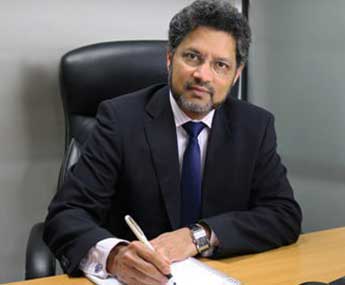
Dave Vasoodaven, SRA number 408025 is a dual-qualified lawyer and multi-skilled professional with both management and legal expertise. Recognised by The Legal 500 for his ability to “meet clients at their point of need,” he advises on corporate and commercial law, cross-border investment, UK immigration, and human rights matters. Dave has successfully represented high-net-worth clients in complex appeal cases before the Tribunal, higher courts, and through judicial reviews, including high-profile immigration matters reported in The Guardian. He is a member of the Malaysian Bar and the International Lawyers Association, and currently serves as Secretary-General of the ASEAN-UK Business Forum, promoting trade and investment between the UK and East Asia. See Dave’s full profile
